



Solar panels can affect your business insurance in Ireland, but for most commercial sites the impact is minor when the system is installed properly and declared to your insurer. In practice, a roof-mounted commercial array becomes part of your building’s fabric, so you need to tell your provider, update your sums insured, and confirm the […]

A single commercial-grade solar panel in Ireland typically produces around 350 to 450 kWh per year, depending on its rated output, the roof orientation and how much usable daylight the site gets. For a business roof, that scales up fast. A 100 kWp array can generate roughly 90,000 to 100,000 kWh a year in good […]
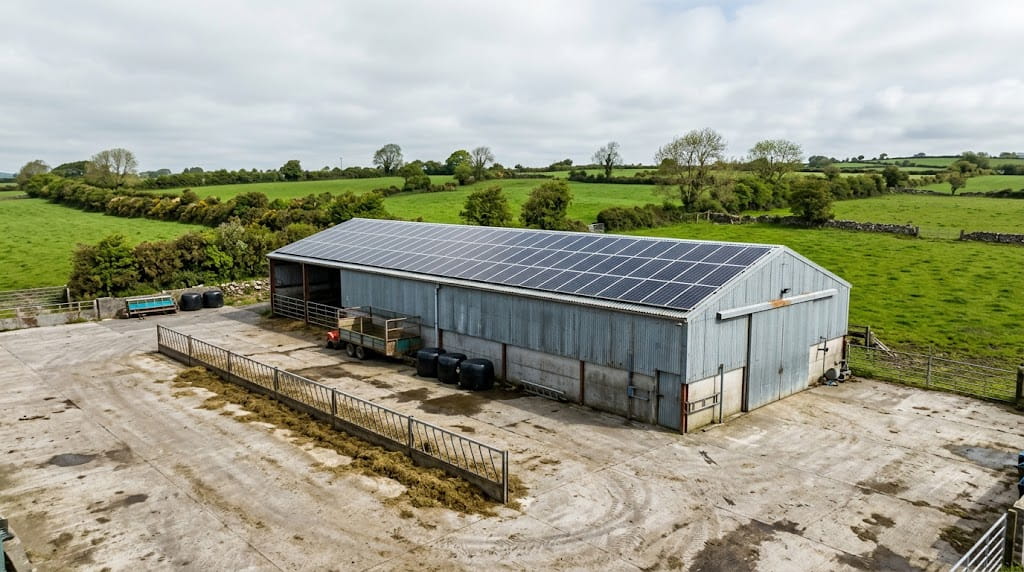
The TAMS grant for solar panels still pays the better headline rate at 60%, but the SEAI grant, now lifted to an effective 45%, is the one most farms can realistically secure. That is the whole decision in a sentence. Since 6 October 2026, the Non-Domestic Microgen Grant (NDMG) has paid an effective 45% of […]
Most modern commercial roofs can take solar, but it is never a given. Before any panels go up, a structural survey for solar confirms the roof can carry the extra load safely for the full life of the system. A chartered structural engineer checks the building against three forces, the dead weight of the array, […]
The accelerated capital allowance (ACA) lets an Irish business write off 100% of the cost of a qualifying solar system against its taxable profits in the year it is installed, instead of spreading that relief across eight years. On a €50,000 system, a company paying the 12.5% corporation tax rate cuts its tax bill by […]
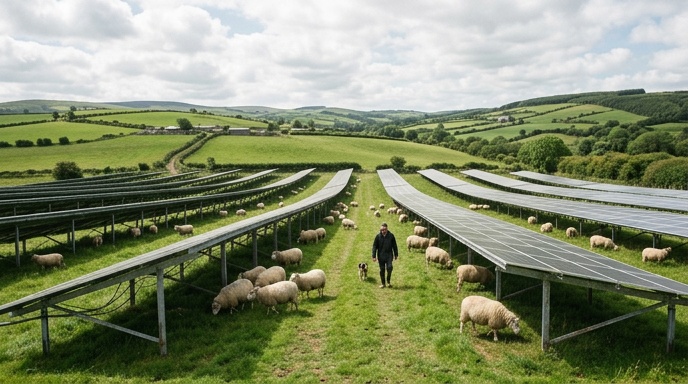
Solar farms in Ireland are ground-mounted solar installations that generate electricity at scale, typically from 1 megawatt (MW) up to several hundred megawatts. A 1 MW solar farm usually needs around 4 to 6 acres of land and produces roughly 950,000 to 1,100,000 kilowatt-hours (kWh) a year in Irish conditions. They sit at the larger […]

A PPA, or power purchase agreement, is a long-term contract where a business agrees to buy electricity at a fixed or agreed rate, often from solar panels installed on its own roof or land. In most commercial cases in Ireland, a third party funds, installs and owns the solar system, and you simply pay for […]
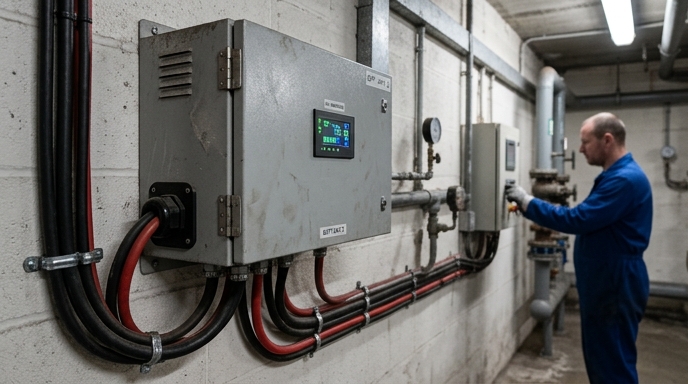
Commercial battery storage lets a business store electricity and use it when it matters most, cutting peak demand charges and keeping critical equipment running during a grid outage. The two jobs it does best are peak shaving (trimming your most expensive demand spikes) and backup (bridging the gap when the power drops). For most Irish […]
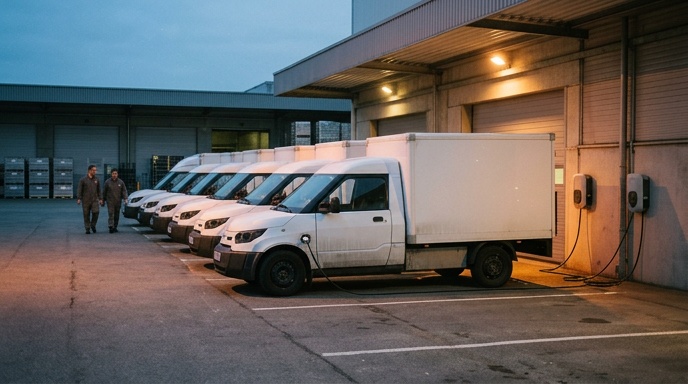
Setting up fleet EV charging for logistics depot involves matching charger power and count to your vehicles’ duty cycles, securing enough grid capacity, and phasing the install so you don’t pay for infrastructure you won’t use yet. Get those three right and the rest follows. Most logistics operators start with overnight depot charging because vans […]
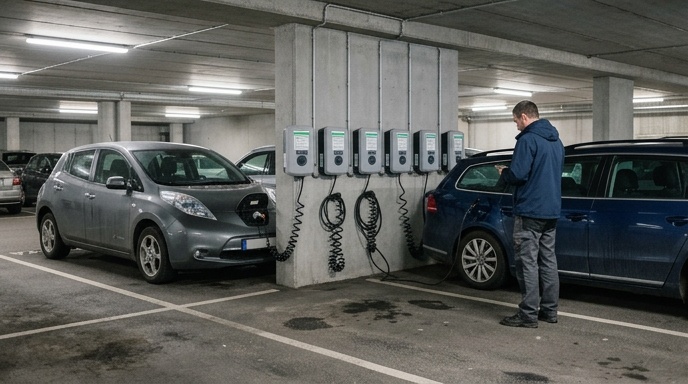
EV charging for apartment blocks means installing shared charging infrastructure that multiple residents can use, with fair metering and billing built in from the start. It works by running dedicated cabling and load management through the development’s electrical supply, so each resident is charged for their own use without overloading the building. The key difference […]