A PPA, or power purchase agreement, is a long-term contract where a business agrees to buy electricity at a fixed or agreed rate, often from solar panels installed on its own roof or land. In most commercial cases in Ireland, a third party funds, installs and owns the solar system, and you simply pay for the power it generates, usually at a rate lower than the grid.
So instead of paying the upfront cost of a solar installation, you pay for the clean electricity it produces over a set term, commonly 10 to 25 years. It removes the capital barrier that stops a lot of Irish businesses going solar.
This guide breaks down how a PPA actually works, the different types, how pricing is set, and whether it’s the right route for your organisation compared with owning the system outright.
How Does a PPA Work for an Irish Business?
A PPA works by separating the ownership of a solar system from the use of its electricity. A developer or funder installs solar panels on your site at no upfront cost, keeps ownership of the equipment, and sells you the power it generates at an agreed per-kWh rate for the life of the contract.
The mechanics are straightforward once you break them down.
- A provider assesses your roof or land and your electricity usage.
- They fund, install and own the solar system on your site.
- You buy the electricity it produces at an agreed rate per kWh, typically below your grid price.
- Any shortfall is topped up by your normal grid supply.
- At the end of the term you may buy the system, extend, or have it removed.
Irish commercial electricity sits at roughly €0.23 per kWh, so a PPA rate below that is where the savings come from. The term usually runs long enough for the funder to recover their investment, which is why 15 to 25 year agreements are common.
What Are the Main Types of PPA in Ireland?
The two main types of PPA for Irish businesses are the on-site (behind-the-meter) PPA and the off-site (sleeved or corporate) PPA. The difference comes down to where the solar sits and how the electricity reaches you.
1. On-Site PPA
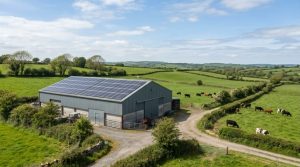
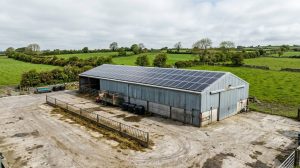
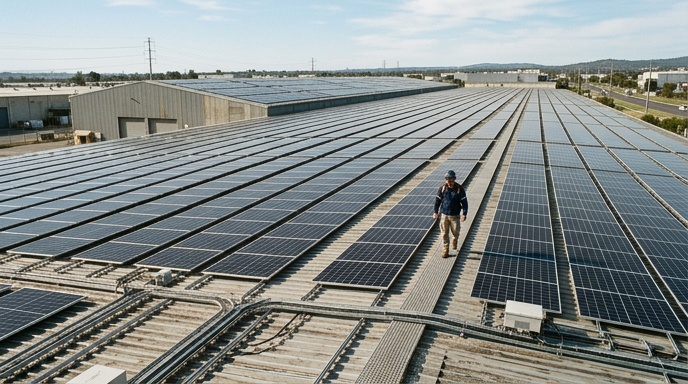
An on-site PPA means the solar panels are installed directly on your building or land, and the power flows straight to your meter. This is the most common arrangement for warehouses, factories, farms and other sites with large roofs or spare ground. You use the electricity where it’s generated, which keeps it behind the meter and avoids grid transmission charges.
2. Off-Site or Corporate PPA
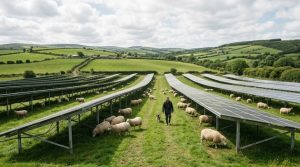
An off-site PPA involves solar generated elsewhere and delivered to you through the grid, backed by a contract. These suit larger organisations with high demand and limited on-site space, such as data centres or multi-site enterprises. They’re more complex, involve a supplier in the middle, and are generally reserved for big electricity users.
For most SMEs, farms and institutions, the on-site route is simpler and more practical. It’s also where a full solar, storage and EV charging stack can be designed together from the start.
How Is PPA Pricing Set?
PPA pricing is set as an agreed rate per kilowatt-hour, either fixed for the full term or adjusted each year by a small, pre-agreed escalator linked to inflation. You pay only for the electricity the system produces, so the rate and the expected output together decide your yearly bill.
Three pricing structures are common in the Irish market.
| Pricing Model | How It Works | Best Suited To |
|---|---|---|
| Fixed rate | Same price per kWh for the whole term | Businesses that want full budget certainty |
| Escalator | Rate rises by a set percentage each year | Lower starting rate, steady yearly increases |
| Discount to grid | Rate tracks a fixed discount below market price | Businesses expecting energy prices to keep climbing |
The key question is always how your PPA rate compares with what you’d otherwise pay the grid, and how the output figures are calculated. Reliable production estimates matter, which is why an engineering-led design and shading analysis, like the work done on the dense Meta HQ site in Ballsbridge, protects your numbers.

PPA vs Buying Solar Outright
A PPA removes the upfront cost but caps your savings, while buying outright costs more at the start but hands you every euro of electricity savings and the asset itself. The right choice depends on your cash position, your appetite for ownership, and whether you want to claim available grants and tax reliefs.
Here’s how the two stack up for a typical Irish commercial installation.
- Upfront cost is zero with a PPA, significant with outright purchase.
- Grants and tax such as the SEAI NDMG and the Accelerated Capital Allowance usually suit owners, not PPA customers.
- Savings are partial under a PPA, full once an owned system is paid off.
- Maintenance sits with the provider in a PPA, with you (or a contract) when you own.
- Payback doesn’t apply to a PPA, while owned systems typically pay back over a number of years.
If capital is the barrier, a PPA gets you clean power now. If you can fund the system, owning it outright and claiming the commercial solar grant often delivers a stronger long-term return, especially when a 25-year maintenance contract already covers the upkeep.
Who Should Consider a PPA?
A PPA suits businesses that want the benefits of commercial solar without the capital outlay, and that have the roof space or land to host a system. It works best for organisations with steady daytime electricity demand, since you save most when you use the power as it’s generated.
Good fits include the following.
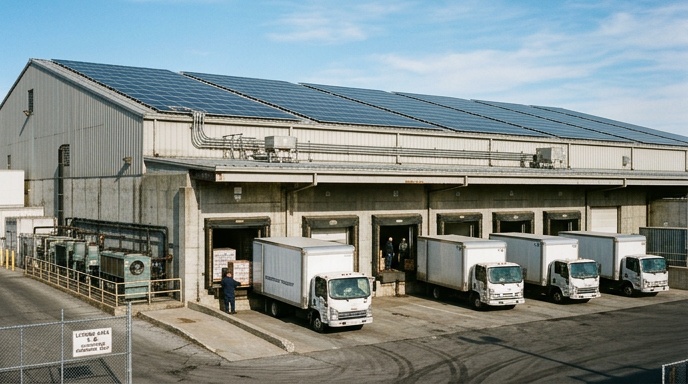
- Warehouses and distribution centres with large, unused roofs.
- Factories and manufacturing sites with constant production loads.
- Cold storage facilities running refrigeration through the day.
- Farms with sheds, irrigation and energy-intensive operations.
- Public bodies and institutions managing tight capital budgets.
If your organisation has strong daytime usage and limited capital, a PPA is worth weighing seriously. You can read more on the sizing and savings logic for big-roof sites on our solar for warehouses page, which covers the same output-driven numbers a PPA relies on.
What to Check Before Signing a PPA
Before signing a PPA, check the rate, the term length, the output guarantees and the exit terms, because these four points decide whether the deal genuinely saves you money. A PPA is a long contract, so the detail matters more than the headline rate.
Run through this checklist with any provider.
- How the per-kWh rate compares with your current grid price.
- Whether the rate is fixed or escalates, and by how much each year.
- The contract term and what happens at the end.
- Who owns and maintains the system during the term.
- Exit and buyout options if your business circumstances change.
It’s also worth comparing the lifetime maths against owning the system, where grants, tax allowances and a maintenance contract change the equation. The Sustainable Energy Authority of Ireland publishes guidance on business energy support that’s useful background before you commit to either route.
Is a PPA the Right Move for Your Business?
A PPA is a solid way to go solar when upfront capital is the obstacle, but owning the system usually wins on total return once grants and maintenance are factored in. The best route depends on your budget, your electricity use and how you want to handle the asset over the next two decades.
Whether a PPA or an owned system fits better, the starting point is a proper assessment of your roof, your usage and the numbers behind each option. To work out which route gives your business the strongest return, arrange a free consultation and site survey with our team.