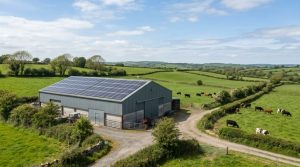
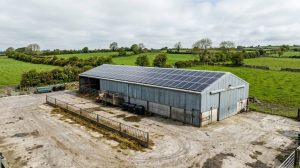
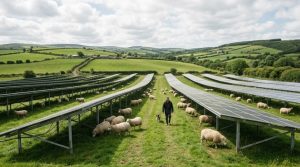
The SEAI Non-Domestic Microgeneration Grant (NDMG) is a capital grant that helps Irish businesses install commercial solar PV, worth up to €162,600 depending on system size. It pays a set amount per kilowatt-peak (kWp) installed, so the bigger the system, the larger the grant, up to the cap.
For most commercial buildings, the grant covers a meaningful slice of the upfront cost and shortens payback. It applies to systems from 7kWp upwards, and the rate steps down as the system grows.
Here we break down the current NDMG rates, who qualifies, how the application works, and where it fits alongside other supports like the Accelerated Capital Allowance. Figures below are current as of September 2026 and should be confirmed on seai.ie before you apply.
What Is the SEAI Commercial Solar Grant (NDMG)?
The NDMG is a capital grant from the Sustainable Energy Authority of Ireland that funds solar PV for non-domestic buildings, meaning businesses, farms, schools, sports clubs and public bodies. It rewards you per kWp of panels installed, with a maximum grant of €162,600 per site.
It’s aimed at rooftop and ground-mount systems on premises that use a good share of the power they generate. The scheme sits under SEAI’s microgeneration supports and is designed to make on-site renewable generation affordable for organisations of all sizes.
- Open to a wide range of non-domestic applicants across the Republic of Ireland.
- Paid as a fixed rate per kWp, banded by system size.
- Claimed after the system is installed and signed off by a registered contractor.
Northern Ireland businesses can’t use the NDMG, as it applies only in the Republic. Cross-border operators should check the supports that apply on the NI side separately.
How Much Is the SEAI Commercial Solar Grant Worth in 2026?
The NDMG pays on a sliding scale by system size, and the rate drops as the system gets larger. For 2026 the bands are unchanged, with a total grant capped at €162,600. Larger systems earn more in total, even though the per-kWp rate reduces at each tier.
| System Size | Grant Rate |
|---|---|
| 7kWp to 20kWp | €300 per kWp |
| 21kWp to 200kWp | €200 per kWp |
| 201kWp to 1,000kWp | €150 per kWp |
The rates are tiered, so a large system draws each band in sequence rather than one flat rate across the whole install. This is why sizing the system to your actual demand matters for the numbers to work.
Once you’re weighing the sums, it helps to check the commercial solar grant page for the current process and worked context before committing.
Who Is Eligible for the NDMG Solar Grant?
Eligibility centres on being a non-domestic electricity account holder in the Republic of Ireland with a suitable site and a system between 7kWp and 1,000kWp. Businesses, farms, community groups, schools and public bodies can all apply, provided the work is done by an SEAI-registered contractor.
The core requirements are consistent across applicant types, though the paperwork varies by organisation.
- A valid non-domestic MPRN (your electricity meter point reference).
- A building or land in the Republic of Ireland suitable for solar PV.
- A system installed by an SEAI-registered installer, which is mandatory for the grant.
- Grant approval secured before works begin. Starting early can void the grant.
Do Farms Qualify Under the NDMG?
Farms can use the NDMG, but they can’t stack it with the TAMS 3 agricultural solar grant on the same system. You choose one route per install. TAMS 3 offers up to €90,000 for on-farm solar, so it’s worth comparing which fits your project before applying.
Can Schools and Public Bodies Apply?
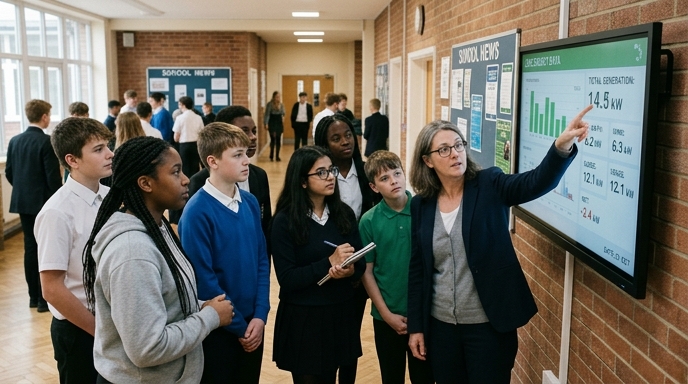
Yes, schools, colleges and public-sector bodies are eligible as non-domestic applicants. For sites like these, solar pairs well with the living-classroom and budget-saving angle, as seen on projects such as the 31.54kW system at Stepaside School. Procurement rules may apply on top of SEAI’s process.
How to Apply for the SEAI Commercial Solar Grant
The steps are to secure grant approval first, install with a registered contractor, then claim payment after sign-off. You apply through SEAI’s online portal before any works start, and the grant is paid once the completed system is verified.
- Confirm your site and demand, then size the system with a qualified installer.
- Submit the grant application via SEAI and wait for written approval.
- Once approved, proceed with installation by an SEAI-registered contractor.
- Have the system commissioned and registered with ESB Networks for grid connection.
- Submit the claim with the required documents to draw down the grant.
The order matters. If you install before approval lands, you lose access to the grant, so patience early on protects the funding. Full detail on the official process is set out in the SEAI business grants and supports guidance.
How the NDMG Works With Other Business Supports
The NDMG can be combined with the Accelerated Capital Allowance (ACA) for extra value, but it can’t be stacked with TAMS 3 on the same farm system. The ACA lets a business write off 100% of the cost of eligible energy-efficient equipment against profits in year one, which improves the tax position on top of the grant.
Here’s how the main supports interact for a commercial solar project.
- NDMG plus ACA, a common and permitted combination for businesses.
- NDMG or TAMS 3 on farms, one route per system, not both.
- Feed-in payments for exported power, which vary by supplier and are being trimmed.
ACA treatment is set by Revenue, so confirm your eligibility with your accountant using the Revenue reliefs and exemptions guidance before you rely on the write-off.
Is the Commercial Solar Grant Worth It for Your Business?
For most commercial buildings with steady daytime energy use, the NDMG meaningfully shortens solar payback and improves return on investment. The grant reduces upfront capital, while on-site generation cuts your exposure to business electricity prices sitting around €0.23 per kWh.
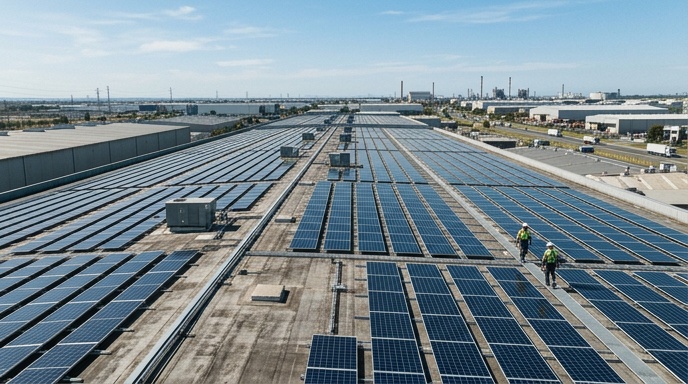
The strongest cases are buildings that use most of what they generate, such as warehouses, factories, cold storage and logistics depots with large roofs and daytime loads.
- High daytime consumption that matches solar output raises self-use and savings.
- Large, unshaded roof or ground-mount space suits a bigger, better-value system.
- Regulated sites benefit from fire-rated bifacial panels, common in pharma and healthcare.
Because the grant is banded and taper-based, correct sizing is where the ROI is won or lost. An engineering-led assessment of your roof, demand profile and export potential gives a realistic payback range, and a 25-year maintenance approach protects that return over the system’s life.
To size a system to your building and confirm your grant position, book a free site survey with our team and get a clear payback figure for your premises.