EV charging for apartment blocks means installing shared charging infrastructure that multiple residents can use, with fair metering and billing built in from the start. It works by running dedicated cabling and load management through the development’s electrical supply, so each resident is charged for their own use without overloading the building.
The key difference from a house is that no single driver owns the connection. You’re planning for a group of residents, an owners’ management company, and future demand you can’t fully predict today. Get the groundwork right and adding chargers later becomes simple rather than a rewiring job.
This guide walks through how apartment EV charging actually works, the grant support available in Ireland, what it costs, and how developers and management companies plan it so it scales.
How Does EV Charging Work in Apartment Blocks?
EV charging in apartment blocks runs on shared infrastructure. A central supply feeds a bank of charge points across the car park, with smart load management balancing power so the building never trips, and individual metering so each resident pays only for what they draw.
Because dozens of cars can’t all charge at full power at once, the system spreads available capacity across active sessions. Cars charge overnight when demand is low, and everyone still gets a full battery by morning.
The setup usually includes:
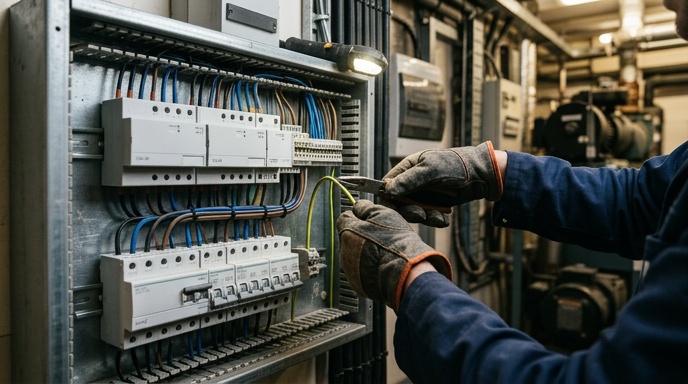
- A dedicated supply and distribution board sized for current and future chargers.
- Cabling and containment run to allocated or communal bays.
- AC charge points, typically 7kW to 22kW, suited to overnight charging.
- Software for access control, monitoring, and per-user billing.
The smart part is the management layer. It decides who charges when, tracks every kWh, and sends the right resident the right bill.
What Grant Is Available for Apartment EV Chargers in Ireland?
Ireland offers a dedicated apartment EV charger grant through ZEVI, aimed at owners’ management companies and residents in multi-unit developments installing shared charging.
Grant amounts, per-point caps, and eligibility change over time, so always confirm the current rate before you budget. Check the official ZEVI grant information for the figures that apply at your application date.
A few things worth knowing before you apply:
- Applications usually come from the owners’ management company, not individual residents.
- The grant tends to prioritise shared infrastructure that serves multiple bays.
- Republic of Ireland and Northern Ireland run separate schemes, so don’t assume the same rate applies across the border.
We handle the apartment EV charger grant process end to end, from eligibility check to application and drawdown, so the management company isn’t left decoding scheme rules.
How Much Does Apartment EV Charging Cost?
Apartment EV charging cost depends on the number of charge points, how far cabling has to run, and whether the existing electrical supply can carry the extra load. Retrofit projects cost more than developments where infrastructure is designed in from day one, because trenching and rewiring add up fast.
Rather than a single price, it helps to think in cost drivers. The table below shows what moves the number.
| Cost Driver | Effect on Price |
|---|---|
| Number of charge points | More points raise hardware and cabling cost, but lower cost per bay at scale |
| Cable run distance | Long runs to distant bays add containment and labour |
| Supply upgrade needed | A new connection or upgraded board is a major cost item |
| Retrofit vs new build | Retrofits need trenching and making good, new builds design it in |
| Software and billing | Ongoing per-user platform cost, usually monthly |
How Is Billing Handled Across Multiple Residents?
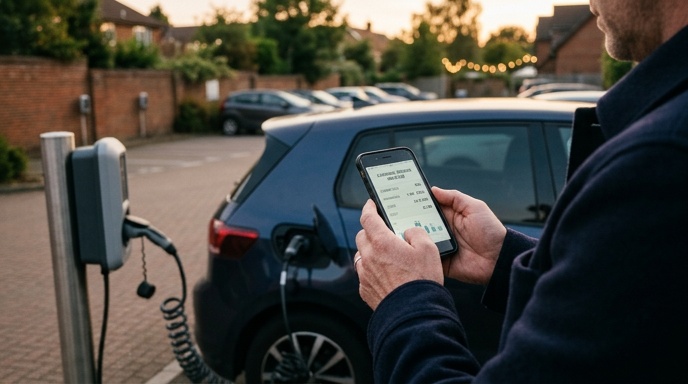
Billing across multiple residents is handled by smart metering built into each charge point, which records every kWh a resident draws and bills it back to them individually. No one pays for a neighbour’s charging, and communal electricity stays separate from personal use.
This is the part that makes or breaks resident buy-in. If the billing is fair and transparent, uptake follows. If it isn’t, you get disputes at every management meeting.
What Billing Models Are Used?
The two common models are pay-per-use and allocated-bay billing. Pay-per-use suits communal bays where any resident can plug in. Allocated billing suits developments where each resident has their own assigned space and charger.
- Pay-per-use charges residents per session on shared bays, ideal for mixed or visitor use.
- Allocated billing ties each charger to one resident’s account, simple for owner-occupied bays.
Who Manages the Billing Day to Day?
A managed platform handles it, so the owners’ management company doesn’t chase payments. The software collects usage, invoices residents, and reports back, which removes the admin burden entirely. Our managed EV charging solutions cover install, monitoring, billing, and support as one package.
What Should Developers Plan for New Developments?
Developers building new apartment schemes should design EV charging infrastructure in from the outset, sizing the electrical supply and cabling routes for future demand rather than current demand. Building regulations increasingly require charging provision, and it’s far cheaper to lay ducting during construction than to retrofit later.
Planning ahead protects property value too. Buyers and renters increasingly expect charging access, and a development without it starts to look dated fast.
Key things to build in early:
- Spare capacity in the main supply for staged charger rollout.
- Ducting and containment to every parking bay, even unused ones.
- Smart load management from the first install, not bolted on later.
- A billing platform ready for residents to onboard themselves.
Pairing charging with solar and battery storage is where it gets interesting for larger schemes. Rooftop generation can offset daytime charging load and cut the building’s overall running costs, and combining the full stack under one engineering-led delivery keeps it coordinated.
You can see how the shared setup fits together on the apartment charging page.
Getting Apartment EV Charging Right From the Start
Apartment EV charging works best when the infrastructure, billing, and grant support are planned together rather than pieced together over time. Whether you’re a developer designing a new scheme or a management company retrofitting an existing block, the goal is the same.
To scope the right setup for your development and get the grant handled end to end, schedule a free consultation and we’ll assess your site and supply.