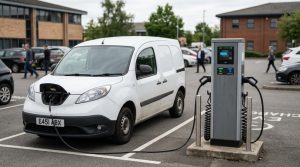
Commercial EV charger installation cost in Ireland typically ranges from around €1,200 to €3,000 per point for AC chargers, and from roughly €25,000 to €60,000 or more per unit for rapid DC chargers once groundworks and connection are included. The gap is wide because the charger hardware is only part of the bill.
What really moves the number is your site. Cable runs, trenching, the capacity of your electrical supply, and whether you need load balancing or a software platform all stack onto the base price. A simple two-bay workplace setup sits at the bottom of the range. A fleet depot with rapid chargers sits at the top.
Below we break down the real costs by charger type, explain what drives the quote up or down, and show where grants and tax reliefs can take the edge off for Irish businesses.
How Much Does Commercial EV Charger Installation Cost in Ireland?
Commercial EV charger installation cost in Ireland depends mostly on charger type and how much electrical work your site needs. AC chargers are the affordable end. DC rapid chargers cost far more because they draw heavy power and often need a dedicated supply upgrade. The figures below are typical installed ranges, not fixed quotes.
| Charger Type | Power Output | Typical Installed Cost (per point) | Best For |
|---|---|---|---|
| AC single point | 7kW to 22kW | €1,200 to €3,000 | Workplaces, offices, hospitality |
| AC dual point | 2 x 22kW | €3,500 to €6,000 | Car parks, apartments, SMEs |
| DC fast charger | 50kW | €25,000 to €40,000 | Fleets, destination charging |
| DC rapid charger | 120kW to 150kW+ | €45,000 to €60,000+ | Logistics depots, high-turnover sites |
These are indicative ranges that vary by site and market, so confirm the exact figure with a quote. The real cost sits in the works around the charger, which is where a site survey earns its keep.

What Drives Commercial EV Charging Costs Up or Down?
The charger hardware is usually the smaller line on the invoice. The bigger costs come from your electrical supply, the distance to the parking bays, and the controls needed to run several chargers at once without tripping the building. Two sites with identical chargers can quote thousands apart.
Here are the factors that shift a commercial quote most:
- Electrical capacity. If your existing supply can’t handle the load, a transformer or grid upgrade is often the single biggest cost.
- Cable and trenching distance. Running power across a large car park or depot means digging, ducting, and reinstatement.
- Number of charge points. More units mean load balancing so the site shares power safely instead of overloading.
- Software and billing. Managed platforms for access control, tariffs, and reporting add a per-charger or subscription cost.
- Groundworks and civils. Bollards, line marking, surfacing, and weather protection all add up on larger installs.
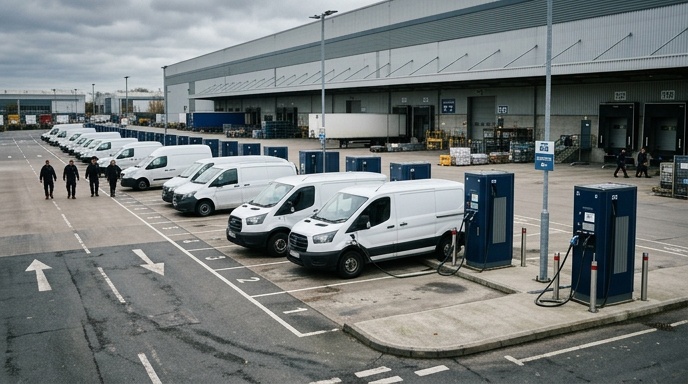
For fleet operators, the depot layout matters as much as the chargers. Planning the fleet charging setup around shift patterns and dwell times keeps the power demand, and the connection cost, under control.
AC vs DC Charging: Which Costs Less to Run?
AC charging costs far less to install and suits any site where vehicles park for hours. DC rapid charging costs more upfront and draws heavy power, but it refills a vehicle in minutes. The right choice comes down to dwell time. Workplaces and hotels lean AC. Logistics and high-turnover sites justify DC.
Does Site Readiness Affect the Price?
Yes, site readiness is one of the biggest variables in any commercial EV quote. A site with spare electrical capacity and bays near the supply board is cheap to fit. A site needing a supply upgrade, long cable runs, and ESB Networks coordination can double the project cost before a single charger goes up.
What Grants and Tax Reliefs Cut Commercial EV Charging Costs?
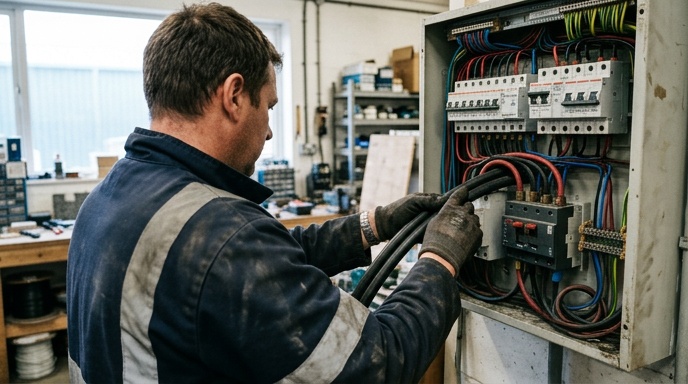
Irish businesses can reduce EV charging costs through capital allowances and, for apartment developments, a dedicated SEAI grant. The reliefs on offer depend on your sector and whether the project is a workplace fit-out, a fleet depot, or a shared residential car park. Verify every current figure before you budget, as rates change.
- Accelerated Capital Allowance (ACA). Lets businesses write off 100% of the cost of qualifying energy-efficient equipment, including EV chargers, against profits in year one.
- SEAI Apartment Charging Grant. Supports shared charging infrastructure in apartments and multi-unit developments, aimed at developers and management companies.
- National EV Charging Strategy funding. A €120m programme is backing public and shared charging rollout to 2028.
For apartment and multi-unit schemes, check the apartment EV charger grant details and eligibility before you cost the project. You can confirm current capital allowance treatment through Revenue guidance on accelerated capital allowances, since the qualifying list and rules are updated over time.
Grants and tax reliefs differ between the Republic of Ireland and Northern Ireland, so make sure any figure you rely on applies to the right jurisdiction.
How to Get an Accurate Commercial EV Charging Quote
The only way to get a reliable commercial EV charging cost is a site survey, because the price hinges on your electrical supply and layout rather than the charger itself. A proper survey checks your capacity, maps cable routes, confirms grid or ESB Networks requirements, and sizes the system to how your vehicles actually park.
Before you request a quote, have these ready:
- Your current electrical supply capacity and recent energy bills.
- Number of charge points you want now, and your plan for the next few years.
- Vehicle types and typical dwell time at the site.
- Parking layout and distance from bays to the supply board.
- Whether you need billing, access control, or usage reporting.
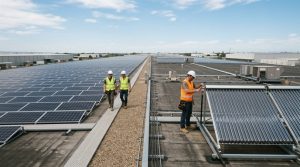
Pairing chargers with solar and battery storage can lower running costs further, since vehicles charge on cheaper self-generated power during the day. An engineering-led installer can design the commercial EV charging system as part of a wider energy setup, with monitoring and maintenance built in rather than bolted on later.
A clear quote should separate hardware, electrical works, civils, and software, so you can see exactly where the money goes and plan phased rollout if needed.
Planning Your Commercial EV Charging Project
Commercial EV charging is a long-term asset, so the cheapest quote rarely wins. Oversized or poorly balanced installs waste money on power you’ll never use, while underspecified ones leave you ripping out cable within two years. The sweet spot is a system sized to real demand, with headroom to expand.
Get a site survey and a detailed written quote that breaks down every cost, then weigh the grants and reliefs that apply to your project. To price your own commercial EV charging setup, book a free site survey and consultation with our team.